


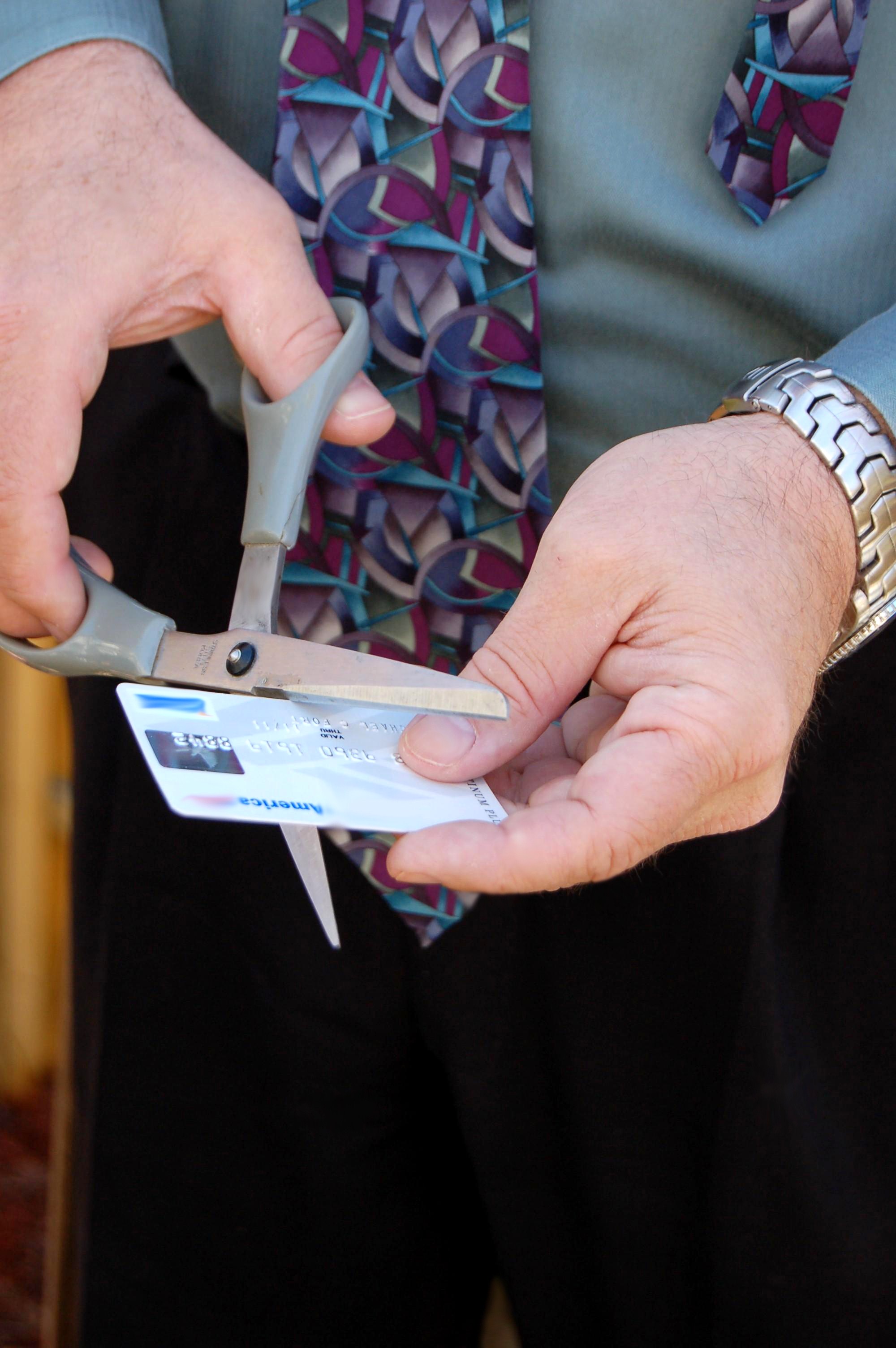
 One reason for new advancements in technology is because they’re in response to other advancements in new technology. One prime example is with rubber keypads. The latest sweep in credit card information theft has companies scrambling to make sure that their customers’ credit card data is secure from online hackers. In response to the high rate of theft, including the most recent breach of more than 56 million credit card numbers from the Home Depot, the use of magnetic strip credit cards is being phased out.
Better Security
Higher security measures have come with a mandate that lowers risks for fraudulent transactions. It’s in the form of an EMV credit card with an embedded chip that can only be unlocked with a personal identification number. According to statistics from the Smartcard Alliance, it’s already in use in Europe and has reduced losses in the U.K. by 67 percent. U.S. merchants will need card-present transaction capabilities to accept EMV credit cards by the October 2015 deadline.
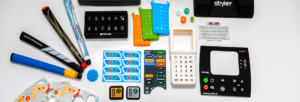
The creative minds designing new devices have several things to consider in preparing for this deadline. One is the new machine’s PIN entry keypad design. Choosing silicone rubber keypads as part of a new product design has several advantages over other materials, such as plastic and touch screens.
Easy to Use
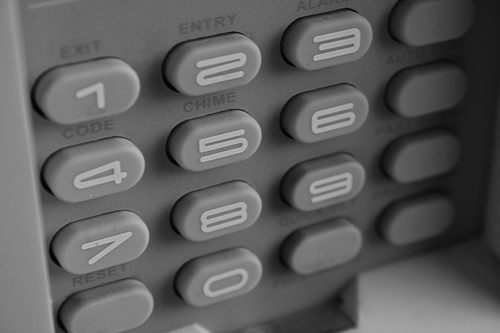 Entering the PIN should be a simple process for the customer. Feeling the buttons and knowing when they’ve been pressed minimizes incorrect entries. With touch screens, it’s difficult to tell whether or not a certain digit has been activated. This results in a higher incidence of missed digits and double entries, creating incorrect PINs, longer transaction times and possible false security alerts that don’t happen with silicone rubber keypads.
Staying Clean
Molded keypads made of silicone rubber are easy to keep clean. On the other hand, touch screens are prone to showing fingerprints. When a credit card keypad is used repeatedly, particularly in a busy retail store, the smudges and fingerprints can accumulate quickly. This is not only unattractive, but can hinder the effectiveness of the touch screen with excessive build-up.
Won’t Wear Out
When treated with an abrasion coating, such as SiCOAT I ™ from SiTECH Corp., printed keypads are 20 times more resistant to wear than standard keypads. Untreated rubber keypads and plastic keypad surfaces have a shorter life span because the letters wear off after repeated use.
Unique Configurations
Custom silicone keypads can be designed with as few or as many different buttons as desired. With an array of alphabetical and numeric options, point of sale device designers can make it easy for customers to see and find the right buttons to enter PIN numbers. Offering a range of keypad designs to merchants makes it more difficult for thieves to decipher PIN numbers needed for card-present transactions should the encrypted card be stolen.
Protecting Secrets
Silicone rubber keypads can take on a variety of shapes, from ergonomic forms to wraparound designs. This not only creates less stress on the wrists and hands, it also encourages product creators to make useful designs that better shield the PIN input process.
Lowering Costs
When planning the manufacture of the rubber keypads for a new credit card point of sale machine, choosing to have them made in the U.S. can help to lower costs. While overseas labor may be slightly cheaper, the overall price of rubber keypad manufacturing offshore is not. Higher quality silicone rubber keypads will last longer. Many offshore manufacturers add fillers, which reduces the quality and life span of the buttons. Overseas shipping costs are also much higher.
As the October 2015 deadline of implementing encrypted EMV chips approaches, design engineers and creative inventors will no doubt be looking for ways to upgrade or reinvent the credit card approval device. The use of silicone rubber molded keypads are an important consideration.