
Silicone offers its own set of challenges when molding into a product. There are four ways of molding silicone and each offers unique approaches:
• Extruding Molding
• Transfer Molding
• Compression Molding
• Liquid Silicone Injection Molding
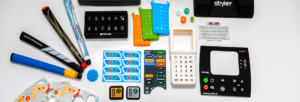
All of these processes use heat as a curing technique. The silicone material varies, but all must have heat to cure (140 degrees F to 340 degrees F). We will focus on compression and liquid silicone injection molding. These molding processes are most prevalent in manufacturing silicone keypads, seals, O-rings and gaskets.
Extrude
Extrude molding is a process for making tubing or reel dispensing products. The molding machine has a continuous feed of silicone forced through a die that would have the shape of the end product. Most examples of the end product are IV tubing, cable wrap tubing and reel gaskets.
Transfer
Transfer molding is used for specially formulated silicones. The silicone is placed in a chamber and heated to a liquid, then a plunger presses the material through a sprue to a runner system and into the mold cavities that are heated. The part is removed after curing.
Compression
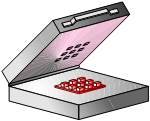 Compression molding is very similar to making waffles. The silicone material is placed between two heated plates that contain the part image, called the core and cavity, and closed. Large hydraulic presses are used to compress the two halves as the part is cured. This process has very few controls with low capital cost but very labor intensive, which accounts for the product supply chain that follows labor costs, such as Japan, Taiwan, India and China.
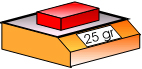
 Material is mill rolled and pre-catalyzed as gumstock, which is very similar in look and feel as putty. Color is added as pigment powder and mill rolled. The material is usually cut and weighed before being put into the mold. Overall process time is 5 to 8 minutes and very open air, which can add impurities in the parts. This is not good when running any light-colored parts.
Silicone Injection
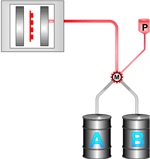 Liquid silicone injection molding is automated, and is therefore the most complex of the four processes. It offers accurate shot size with consistency from shot to shot over a long period of time. The equipment is capital-intensive, but has a trade-off with consistent, quality parts and reduced cycle time.
Material is supplied as a binary two- part system in drums that are sealed and manufactured to Six Sigma quality levels. They are catalyzed when the two parts are mixed in the molding machine. Color in the form of silicone ink can be added at the same time when the two-part system is being mixed. All settings for a part, such as custom silicone keypads, can be retained for future runs that will ensure a consistent part time and time again. Process time is about 30 seconds to 1 minute, depending on thickness of a part. Liquid silicone injection molding is a closed automated system that is repeatable with no dust or dirt.