



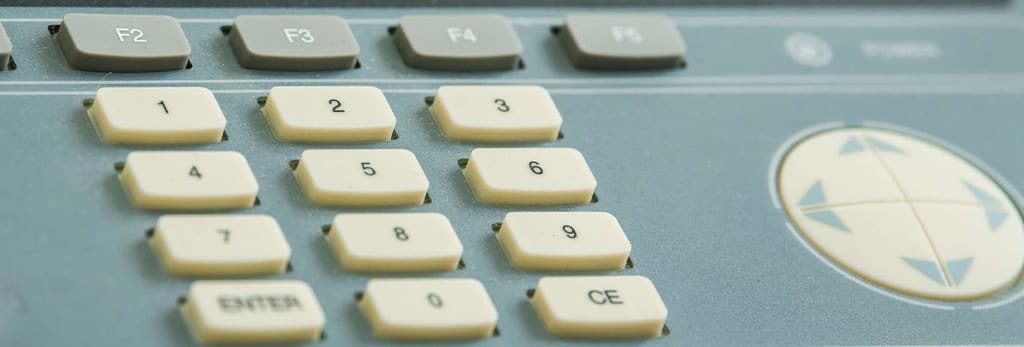
The Evolution of Silicone Keypads: From Early Designs to Modern Custom Interfaces
Silicone keypads have come a long way from their early days as simple, utilitarian input devices. Originally developed as durable alternatives to mechanical switches, early silicone keypads were valued primarily for their resistance to dust, moisture, and wear. While functional, these early designs were often limited in appearance, tactile precision, and customization.
As electronics became more compact and sophisticated, keypad requirements evolved. Designers needed input interfaces that could match increasingly complex products while maintaining reliability. This drove advancements in silicone materials, tooling precision, and manufacturing processes. Modern silicone compounds now offer a wide range of durometers, allowing engineers to fine-tune tactile response for specific applications, from light-touch medical devices to firm industrial controls.
Manufacturing technology also played a major role in the evolution of silicone keypads. Improved molding techniques enabled tighter tolerances, more consistent actuation forces, and better dimensional stability. These advances reduced variability between parts and improved overall product performance.
Today’s silicone keypads are highly customizable interfaces that integrate form and function. Designers can incorporate custom shapes, complex geometries, multiple colors, and detailed legends. Options such as laser etching, screen printing, and backlighting allow keypads to enhance usability while supporting brand identity.
Another major shift has been the integration of silicone keypads into complete human-machine interfaces. Rather than serving as standalone components, modern keypads are designed to work seamlessly with printed circuit boards, conductive pills, and sealed enclosures. This system-level approach improves reliability and simplifies assembly.
The evolution of silicone keypads reflects broader trends in product design: greater emphasis on user experience, durability in demanding environments, and customization without sacrificing consistency. What began as a rugged alternative to mechanical switches has become a refined, adaptable interface solution for industries ranging from medical and aerospace to consumer electronics and industrial equipment.